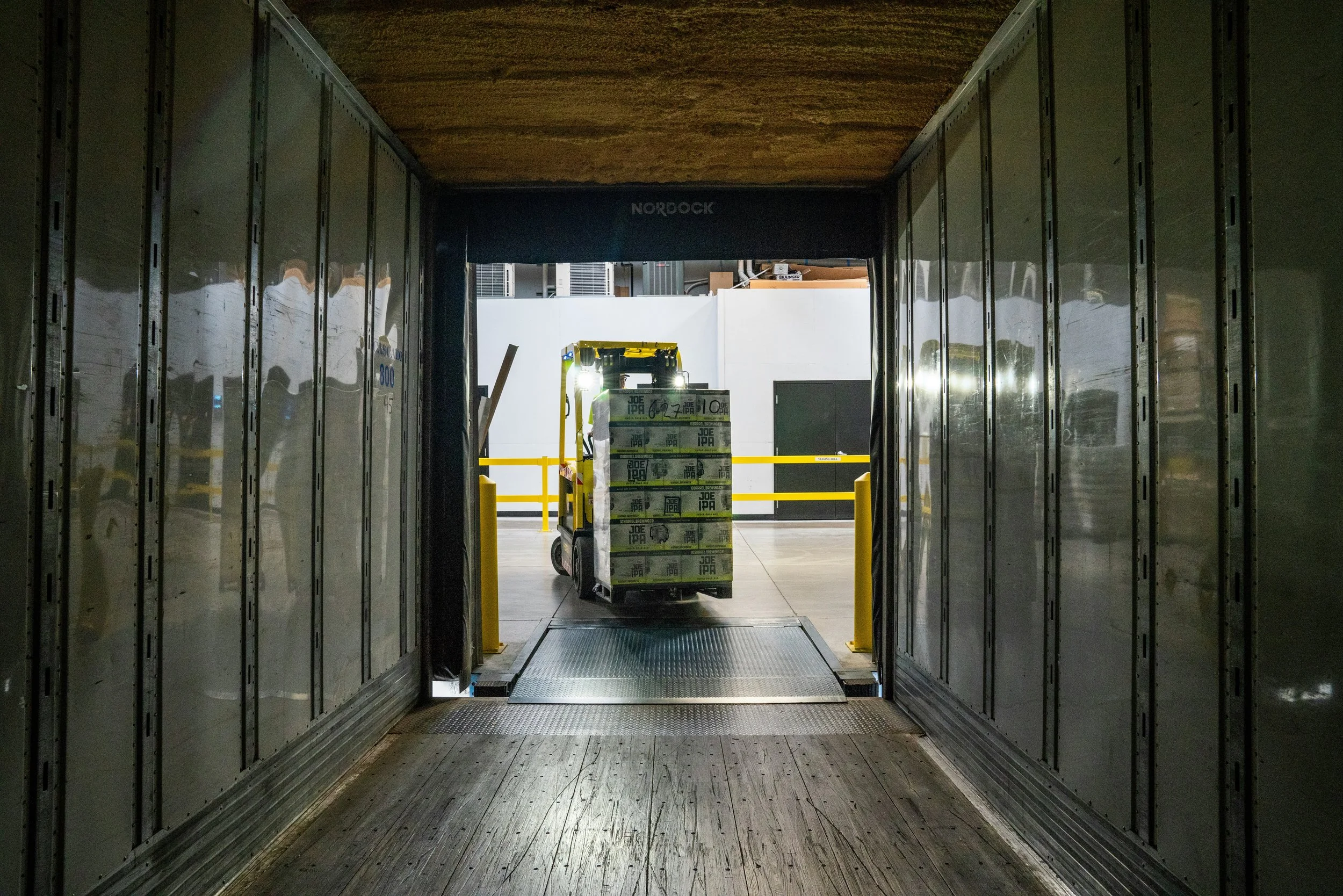
A warehouse with a tenant in place and a self-storage facility still filling units may both be commercial investments, but their financing needs can look very different.
Before you focus on a loan amount or interest rate, take a closer look at how the property operates today—and what you plan to change after closing.
Where does the income come from?
For a warehouse, review the tenants, lease expiration dates, and rental income. If one tenant occupies the entire building, consider what happens to cash flow if that tenant leaves.
For a self-storage facility, look beyond the number of occupied units. Review actual rent collections, promotional discounts, operating expenses, and the cost of attracting and retaining customers.
If you plan to occupy a warehouse with your own business, make that clear early. The financing conversation will need to account for the business using the space.
What needs to happen after you buy?
Will you keep the property operating as it is, renovate the building, replace a tenant, or expand the facility?
Write down the work, the budget, and the expected timeline. Separate income the property already earns from income you hope to generate after improvements.
That distinction helps make your financing request easier to evaluate.
Does the financing fit the business plan?
A property with established income may be ready for longer-term financing. A property undergoing improvements or lease-up may require an interim approach.
Prepare a simple deal summary with the purchase price, available equity, operating statements, occupancy information, and planned improvements. Include your target closing date and how long you intend to own the property.
At DarkHorse Capital Group, we help investors explain their transaction clearly and explore financing options through our lending relationships.