Why You Should Consider a Construction Loan for Your Next Property Project
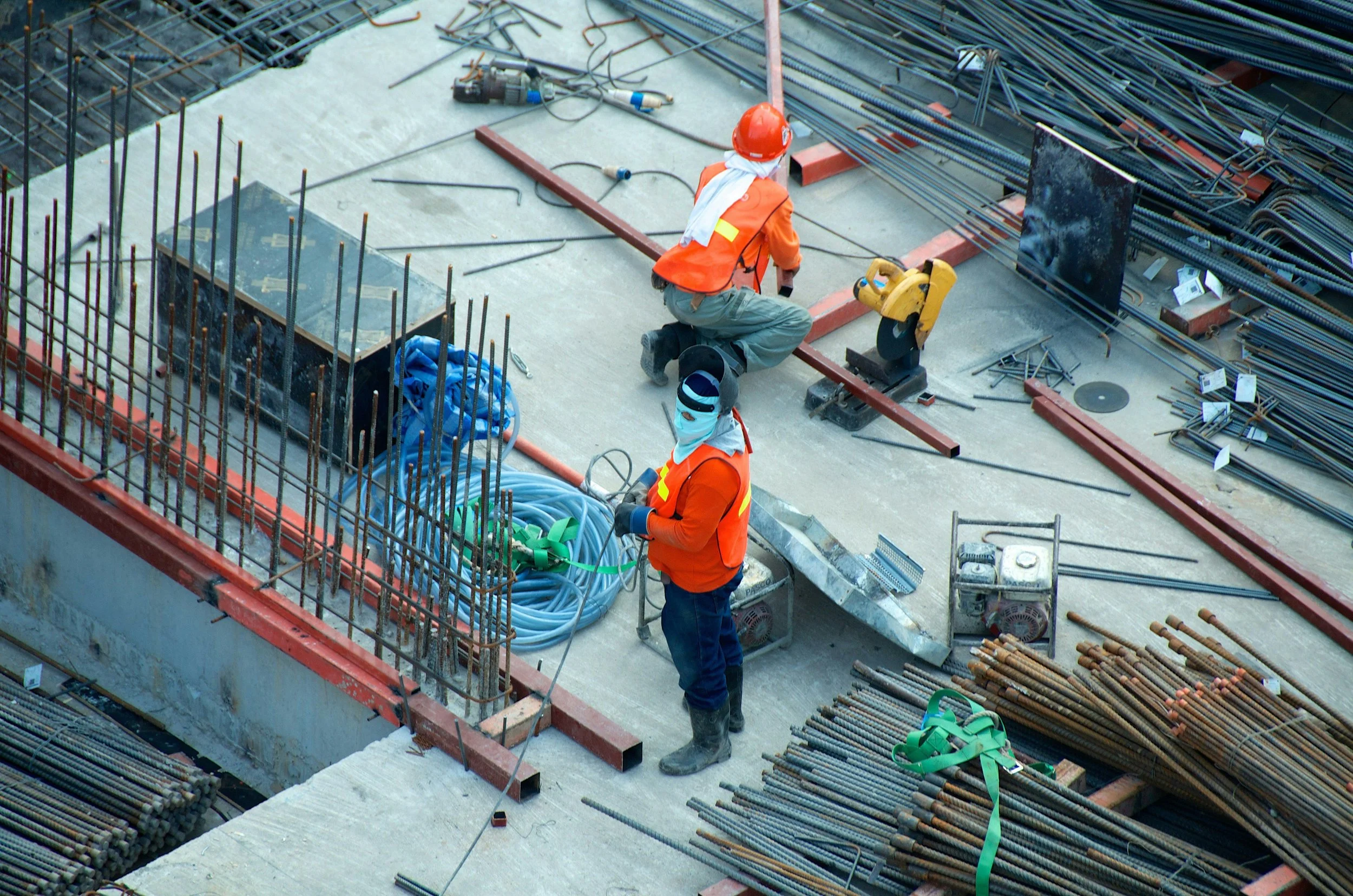
Financing a commercial property project can feel overwhelming—especially when timelines, budgets, and moving parts all depend on having the right funding in place. Whether you’re building an office building, mixed-use development, retail center, or industrial facility, a construction loan can offer the flexibility and financial support you need to keep your project on track.
Why You Should Consider a Construction Loan for Your Next Property Project
Construction loans are specifically designed to support the costs associated with building or renovating commercial real estate. Unlike traditional mortgages, which provide a lump sum for a completed property, construction loans offer staged funding to match the progress of your project.
Here’s why more investors and developers are turning to construction loans:
1. Flexible Funding That Matches Your Project Timeline
Construction loans offer draws or staged disbursements aligned with your project milestones, helping maintain cash flow. This ensures you have the capital you need exactly when you need it—from initial groundwork to final inspections.
2. Interest-Only Payments During Construction
During the build phase, many lenders—including DarkHorse Capital Group—offer interest-only payments. This allows you to keep carrying costs low until the property generates income or is refinanced into a long-term mortgage.
3. Short-Term, Purpose-Built Financing
Construction loans typically last 12–24 months, giving you enough time to complete the project while keeping your long-term financing options open. Once construction is finished, borrowers often refinance into a permanent loan.
4. Ideal for Both Minor and Major Renovations
Construction loans aren’t only for full ground-up developments—they’re also ideal for:
Adaptive reuse projects
Heavy renovations
Value-add investment strategies
Multifamily repositioning
Commercial upgrades to meet code or tenant demand
5. Designed to Protect Both Lenders and Borrowers
Because funds are released in phases, lenders maintain oversight while borrowers gain structured support. This minimizes financial risk and helps keep projects aligned with budgets.
Understanding Construction Loans for Commercial Property
What Is a Construction Loan?
A construction loan is a short-term financing solution created to cover the cost of constructing or significantly renovating commercial or investment properties. Instead of receiving all funds upfront, borrowers access funds through a draw schedule, which distributes capital based on achieved milestones.
| Feature | Construction Loan | Traditional Mortgage |
|---|---|---|
| Term Length | 12–24 months | 15–30 years |
| Payment Structure | Often interest-only | Principal + interest |
| Risk Level | Higher, due to construction variables | Lower |
| Disbursement | Staged draws | Lump sum |
Eligibility and Requirements for Construction Loans
To qualify for a construction loan, lenders evaluate several key factors. While each lender may have its own guidelines, here are the most common requirements:
Credit Score and Credit History
A score of 660 or higher is generally preferred.
Strong credit history demonstrates reliability and financial discipline.
Personal Net Worth and Liquidity
Borrower net worth typically should be at least 30% of the total loan amount.
Liquidity between 10–20% of the loan amount is often required to cover early project expenses and interest payments before the first draw.
This ensures borrowers can manage unforeseen costs and support the loan until the property stabilizes.
Down Payment and Budget Plans
Down payments usually range from 20%–30% depending on project type and risk level.
A detailed construction budget, cost breakdown, and contingency reserve must be provided.
Builder and Project Approval
Lenders want assurance that the project can be executed smoothly. They look for:
Licensed and insured contractors
Verified experience with similar projects
Architectural plans
Zoning and permit compliance
A realistic build schedule
The Construction Loan Process: What to Expect
Here’s a simplified step-by-step overview:
Pre-Qualification – Share your project details, financials, and experience.
Application – Submit documentation including plans, budget, and contractor details.
Underwriting – Lenders review credit, liquidity, property details, and viability.
Approval – Receive terms outlining rates, draw schedule, and conditions.
Closing – Legal documents are signed and the loan is activated.
Construction Begins – Draws are funded as each phase is completed.
Final Inspection & Certificate of Occupancy – Confirms project completion.
Refinance or Payoff – Move into a long-term mortgage or sell the property.
Ready to Build With Confidence?
Your next project deserves strategic financing that supports your vision from blueprint to completion. A construction loan can give you the structure, flexibility, and financial strength needed to bring your property plans to life.
Discover the step-by-step guide to navigating the construction loan process with confidence.
Contact DarkHorse Capital Group to get started and build with ease!
📞 516-306-8138